- Home
- Blog
- Espresso: Complete Guide, Brewing Methods & Tips
-
How to Make the Perfect Espresso: Professional Step-by-Step Guide
How to Make the Perfect Espresso: Professional Step-by-Step Guide
Espresso is the foundation of most specialty coffee drinks. A well-prepared espresso delivers a balanced combination of sweetness, acidity, body and aroma that defines the quality of the final cup.
Whether enjoyed on its own or used as the base for drinks such as cappuccino, latte, flat white, americano, cortado or macchiato, mastering espresso preparation is one of the most valuable skills for any barista.
In this guide, you'll learn the essential parameters and professional techniques used to prepare the perfect espresso.
What Is Espresso?
Espresso is a concentrated coffee beverage produced by forcing hot water under pressure through finely ground coffee.
A quality espresso should offer:
- Rich aroma.
- Full body.
- Natural sweetness.
- Balanced acidity.
- Clean and pleasant finish.
Essential Espresso Parameters
Extraction Time
A good starting point is 25 seconds.
Depending on the coffee origin, roast profile and grind size, slight adjustments may improve the final flavor.
Coffee Dose
Recommended doses are:
- Single espresso: 8–10 grams.
- Double espresso: 16–18 grams.
Beverage Yield
A traditional espresso generally yields between 25 and 35 ml.
These parameters are guidelines, but taste should always be the final judge.
How to Make the Perfect Espresso in 14 Steps
1. Preheat the Cup
Rinse the cup with hot water before brewing to maintain the espresso's serving temperature.
2. Clean and Dry the Portafilter
Ensure the portafilter is completely clean and dry before dosing coffee.
3. Adjust Grind Size and Dose
Add the correct amount of coffee and ensure the grind size is properly calibrated.
Too coarse results in under-extraction and sour flavors; too fine can lead to over-extraction and bitterness.
4. Distribute the Coffee Evenly
Level the coffee bed to eliminate air pockets and reduce channeling.
5. Tamp Properly
Apply firm, level pressure with the tamper to create a compact and even coffee puck.
6. Polish the Surface
A slight twist of the tamper can help smooth the surface of the coffee bed.
7. Clean the Portafilter Rim
Remove loose grounds from the basket and portafilter edges.
8. Flush the Group Head
Run water through the group head briefly before brewing.
This removes coffee residue and stabilizes temperature.
9. Start Extraction Immediately
Insert the portafilter and begin extraction without delay.
10. Monitor the Extraction
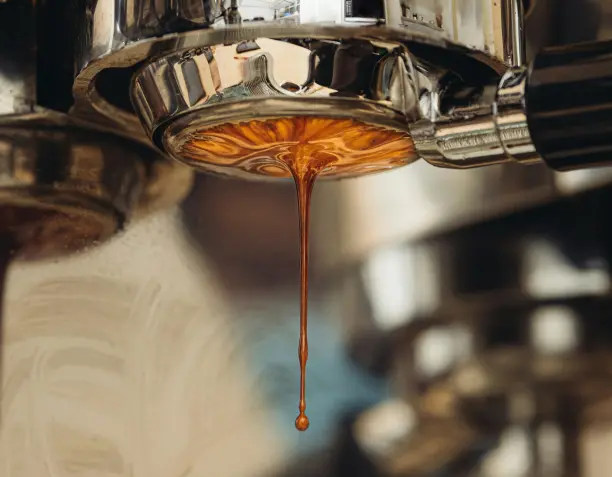
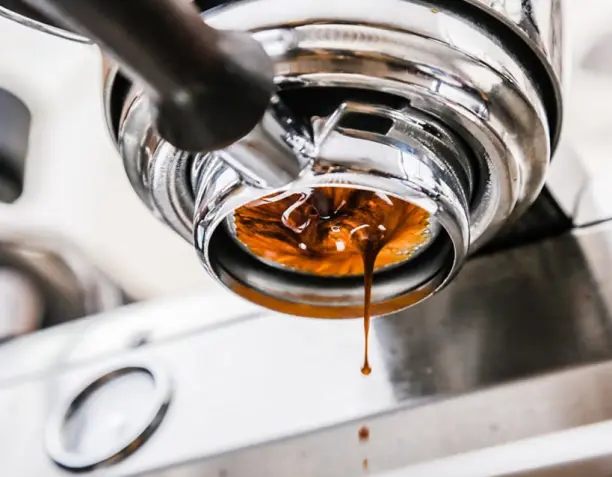
The espresso should flow evenly with a texture similar to warm honey.
Watch both extraction time and yield.
11. Remove the Used Coffee Puck
Knock out the spent puck immediately after brewing.
12. Clean the Portafilter
Rinse and dry the portafilter thoroughly.
13. Clean the Group Head
Flush the group head to remove oils and coffee particles.
14. Reinsert the Portafilter
Keep the portafilter locked into the machine so it remains warm and ready for the next shot.
Common Espresso Mistakes
Sour Espresso
Possible causes:
- Grind too coarse.
- Extraction too fast.
- Insufficient dose.
Bitter Espresso
Possible causes:
- Grind too fine.
- Over-extraction.
- Excessively high temperature.
Uneven Extraction
Possible causes:
- Poor distribution.
- Uneven tamping.
- Channeling.
Final Thoughts
Making great espresso is a combination of consistency, technique and attention to detail. By mastering grind size, dose, distribution, tamping and extraction time, you'll be able to produce balanced, flavorful espresso shots with professional-level quality.