
We decode the most popular certifications: Fair Trade, Direct Trade, Rainforest Alliance, Organic, Cup of Excellence, UTZ, etc.
Next post
Arabica vs Robusta: What’s the Difference?
Date
Specialty coffee is the highest quality category in the coffee industry. While the term has become increasingly popular among coffee lovers, many people still ask: what exactly is specialty coffee and what makes it different from regular coffee?
Less than 10% of the world’s Arabica coffee production qualifies as specialty coffee. To reach this category, coffee must meet strict standards throughout the entire journey from farm to cup.
In this guide we will explain:
- what specialty coffee means
- how coffee is graded
- what factors determine quality
- how to brew specialty coffee at home
Specialty coffee refers to high-quality Arabica coffee that scores 80 points or more on a 100-point scale established by the Specialty Coffee Association (SCA).
The evaluation is based on several criteria including:
- aroma
- flavor
- aftertaste
- acidity
- body
- balance
- sweetness
- uniformity
- cleanliness of the cup
Coffees scoring 90 points or higher are considered exceptional and are often used in competitions or limited roasts.
The quality of specialty coffee depends on every stage of production.
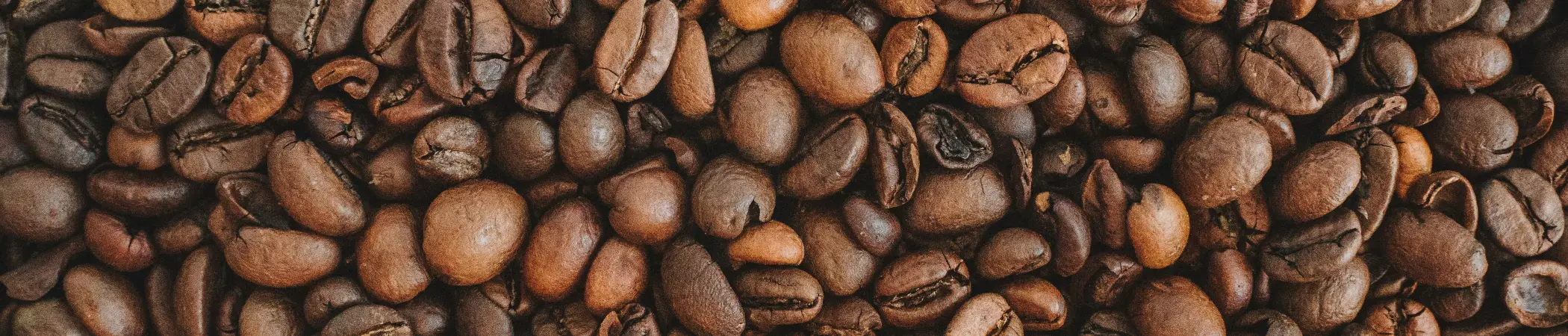
Coffee begins its journey on the farm. Coffee trees flower and produce cherries that slowly ripen.
For specialty coffee production, farmers carefully harvest only ripe and healthy cherries. Selective harvesting is essential for achieving high cup quality.
After harvesting, the cherries are transported to a processing station where the pulp is removed and the beans are dried.
Improper drying — too fast or too slow — can negatively affect flavor and introduce defects.
Once dried, coffee beans must rest and stabilize before export. Proper storage conditions are crucial, including controlled humidity, temperature, and protection from light.
Poor packaging or transport conditions can damage even high-quality coffee.
Finally, the green coffee reaches roasters who develop its flavor through roasting. A skilled roaster can highlight the natural characteristics of the coffee’s origin.
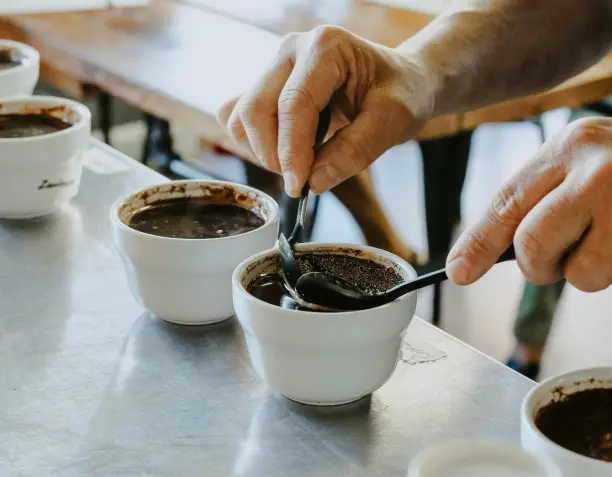
Specialty coffee is evaluated by certified professionals called Q-graders, trained by the Coffee Quality Institute (CQI).
To obtain certification, Q-graders must pass 20 rigorous exams covering sensory analysis, green coffee grading, and cupping.
During evaluation, they analyze:
- fragrance and aroma
- flavor profile
- aftertaste
- acidity
- body
- balance
- sweetness
- defects
The final score determines whether a coffee qualifies as specialty.
According to the Specialty Coffee Association (SCA):
- A coffee must score at least 80 points to be considered specialty.
- Coffee scoring 90+ points is considered outstanding.
- In 350 grams of green coffee, there must be no primary defects.
- Only up to five secondary defects are allowed.
Primary defects include black or moldy beans. Secondary defects may include broken beans, insect damage, or partial parchment.
Robusta coffee and blends are not evaluated in this system, as specialty coffee refers exclusively to high-quality Arabica.
Specialty coffee stands apart from commercial coffee for several reasons.
Each coffee can be traced back to a specific farm, region, variety, and processing method.
Specialty coffees often display complex flavor profiles, including notes of fruit, flowers, chocolate, nuts, or spices.
Every stage — farming, processing, roasting, and brewing — focuses on preserving the coffee’s natural qualities.
To fully enjoy specialty coffee, proper preparation is important.
Coffee tastes best within 4–8 weeks after roasting.
Keep beans in an airtight, opaque container with a valve, away from light, heat, and moisture.
Grinding coffee immediately before brewing preserves aroma and flavor.
Burr grinders provide a consistent grind size, which is essential for balanced extraction.
Specialty coffee represents a commitment to quality, transparency, and craftsmanship across the entire coffee supply chain.
From farmers and processors to roasters and baristas, every step contributes to creating a unique cup that reflects the origin and character of the coffee.
At Blue Faro, we carefully source and roast specialty coffee beans to highlight their unique origin and flavor profile.
Explore our selection of freshly roasted coffees and experience specialty coffee the way it was meant to be enjoyed.

We decode the most popular certifications: Fair Trade, Direct Trade, Rainforest Alliance, Organic, Cup of Excellence, UTZ, etc.
Learn the meaning of key coffee tasting terms, including aroma, acidity, body, balance, complexity, flavor, and aftertaste.
What is a coffee blend and why do roasters combine different coffees? Learn how blends are created, their advantages and the role of coffee extractivity.