

Discover how elevation shapes your coffee's profile. From acidic high-mountain beans to aromatic low-land roasts, learn the science behind the perfect cup.
Previous post
High Altitude Coffee: Is Higher Actually Better?
Date
The journey of a specialty coffee bean is defined by hundreds of decisions, but one stage shapes its soul above all else: processing. From the moment a ripe cherry is picked until it is bagged for transport, the method chosen transforms the bean's sugars, body, and acidity.
At Blue Faro, we believe that understanding this process is the key to finding your perfect flavor profile. Whether you love a clean, floral cup or a rich, fruit-forward bomb, it all starts here.
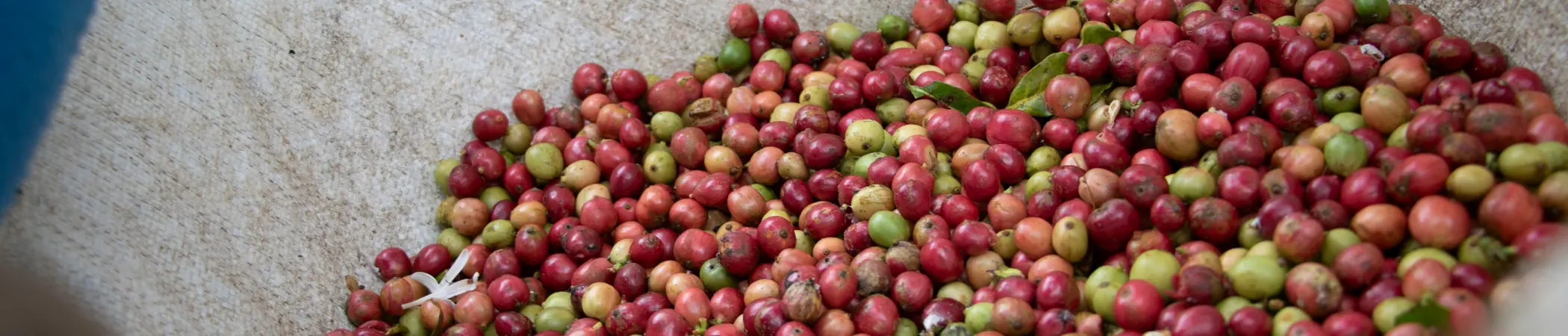
Before separating the beans from the fruit, farmers float the cherries in water tanks. Unripe or defective cherries float to the top and are discarded, while perfectly ripe, sugar-rich cherries sink to the bottom. This natural sweetness is exactly what we showcase in our Blue Faro Single-Origin Coffees.
There are three primary methods used to process these cherries: Natural, Washed, and Honey.
The oldest method in the book. Whole cherries are spread out on patios or raised African beds to dry under the sun for weeks.
The Science: As the bean dries inside the fruit, it absorbs all the natural sugars from the surrounding pulp.
The Result: A full-bodied cup with intense notes of tropical fruits and berries. It provides the deep complexity found in premium espresso blends.
In this wet method, the outer pulp is mechanically stripped away. The beans are then placed in water tanks where natural enzymes break down the sticky mucilage layer through controlled fermentation.
The Challenge: It requires high expertise and vast amounts of clean water. Any imbalance can create flavor defects.
The Result: An incredibly clean, crisp cup. If you enjoy bright, vibrant acidity and delicate floral notes, look for washed beans in our Blue Faro Coffee Collection.
Perfected in Central America (Costa Rica and El Salvador), this eco-friendly hybrid removes the outer skin but leaves a specific amount of the sticky mucilage (resembling honey) on the bean during drying.
White & Yellow Honey: Less mucilage left. Results in a cleaner, higher-acidity cup.
Red & Black Honey: More mucilage left. Delivers a sweeter, heavier cup with chocolate notes.
No matter the process, the coffee must be carefully dried to reduce its moisture level from 40% down to 10-12%. Using raised beds ensures optimal airflow, preventing mold development.
After drying, the green beans rest in their protective parchment skin for 1 to 3 months. This crucial resting phase stabilizes the bean's cellular structure, ensuring that when you open your Blue Faro Subscription Box, the flavors are fresh, vibrant, and ready to brew.
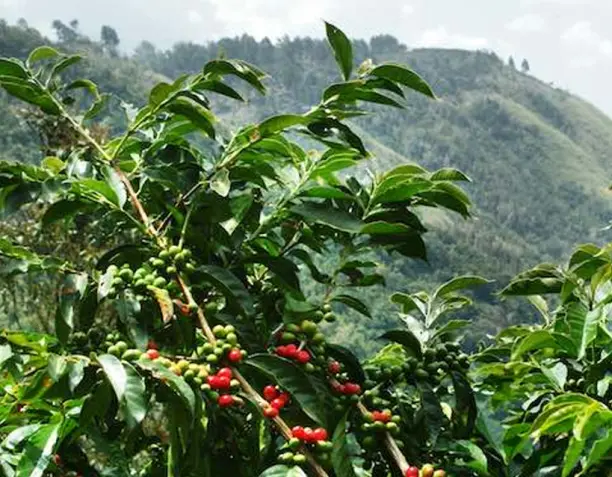
Discover how elevation shapes your coffee's profile. From acidic high-mountain beans to aromatic low-land roasts, learn the science behind the perfect cup.