

Learn about the main green coffee defects, their causes and how they can affect roasting, extraction and the flavor of the final cup.
Next post
Why Is Natural Process Coffee Sweeter? The Science Behind Its Flavor
Date
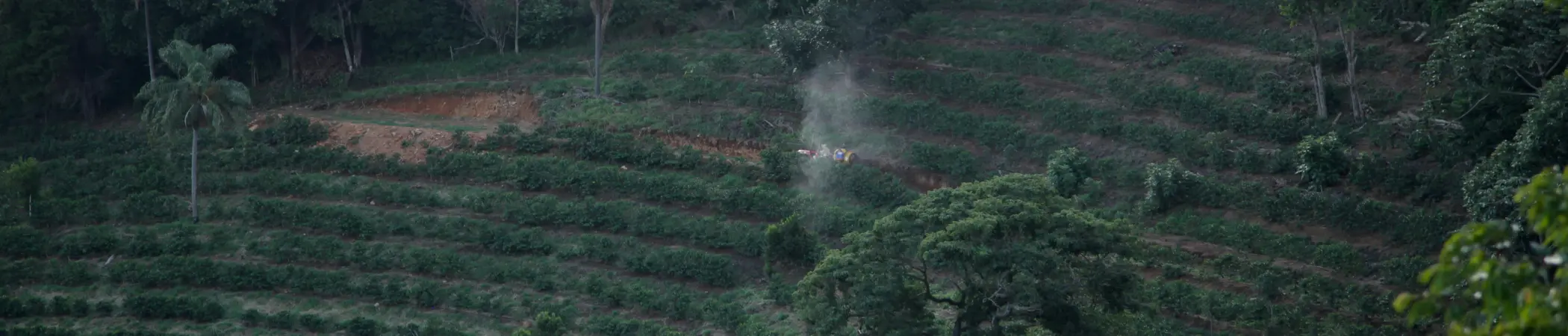
If you’ve ever browsed the shelves of a specialty coffee shop, you’ve likely seen labels boasting about “High Elevation”or “Strictly High Grown.” For over 50 years, the industry has treated altitude like a magical ingredient for quality.
But does thin mountain air actually change the way your morning brew tastes? Drawing insights from Sean Steiman’s The Little Coffee Know-It-All, we’re diving into the science of the "magic mountain" effect.
While science is still catching up, the consensus among coffee professionals is clear: elevation acts as a "sculptor" for coffee flavor.
High-Altitude Coffee: Generally results in higher acidity, brightness, and complexity. These are the beans that offer floral, citrusy, or berry-like notes.
Low-Altitude Coffee: Usually yields a more aromatic and balanced profile. These coffees are often "crowd-pleasers"—smooth, reliable, and deeply fragrant.
It’s a common theory: at high altitudes, the air is thinner, and breathing is harder. Does this stress the coffee plant into producing better seeds?
Actually, probably not. While experiments on plants like lettuce and radishes have shown some changes under different atmospheric pressures, there is no evidence that pressure significantly alters the flavor of a coffee seed. The real secret isn't the pressure—it's the temperature.
Higher altitudes are almost always cooler. This cooler climate slows down the growth cycle of the coffee cherry. This "slow-motion" ripening allows the sugars and acids within the bean to develop more density and complexity.
Here is where many coffee drinkers get confused. Altitude doesn't work in a vacuum; it works with Latitude.
As you move further from the Equator, temperatures drop even at lower elevations. For example:
Hawaii: At 2,500 feet above sea level, the climate is quite cool, producing highly acidic and complex beans.
Colombia: At that same 2,500 feet, the climate is much warmer because it is closer to the Equator. To get that "Hawaiian" acidity in Colombia, you’d have to climb much higher.
The takeaway? Don't just look at the elevation number—look at the origin and the climate.
Whether you crave the zesty complexity of the mountains or the smooth aroma of the valleys, understanding altitude helps you buy better coffee.
For the Adventurous Palate: Try our Single-Origin Ethiopian Sidama – Grown at extreme heights for maximum vibrance.
For the Daily Ritual: Explore our Colombian Medium Roast – The perfect balance of altitude and traditional sweetness.

Learn about the main green coffee defects, their causes and how they can affect roasting, extraction and the flavor of the final cup.
Discover what Peaberry coffee is, how this natural coffee bean mutation develops, and whether it really tastes better than regular coffee.

How does coffee processing change your cup's flavor? Discover the differences between natural, washed, and honey methods with Blue Faro.