
Learn how to make smooth, refreshing cold brew coffee in a French press with this easy step-by-step guide, including the ideal coffee-to-water ratio.
Previous post
How to Make Coffee with a Moka Pot: Guide and Recipe
Date
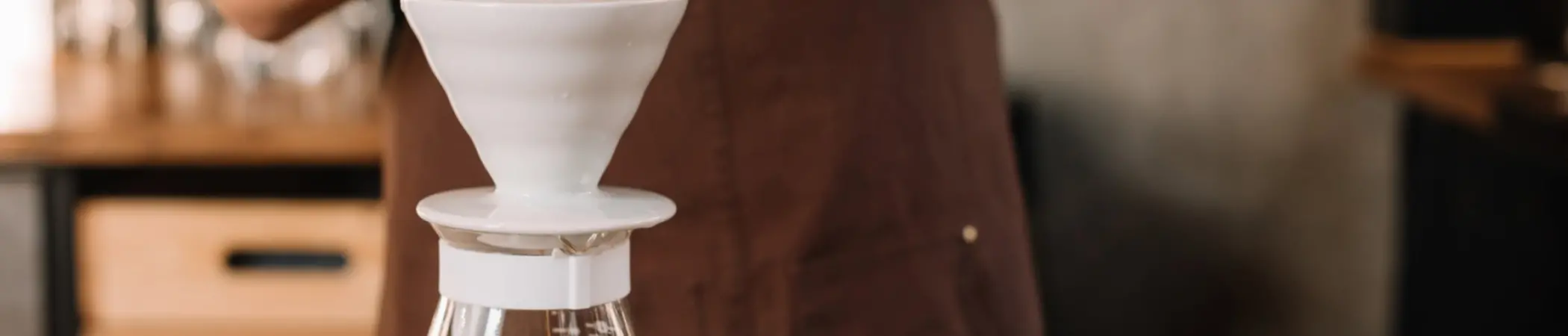
Brewing coffee with methods like the Hario V60, Chemex, or Kalita Wave may look simple, but every great cup is the result of balancing several brewing variables.
There is no universal recipe in specialty coffee. Every origin, roast profile, and brewer responds differently, which is why understanding the fundamentals is more valuable than memorizing a single recipe.
These are the seven key factors that have the greatest impact on pour over coffee.
Different brewers highlight different characteristics.
Rather than searching for the "best" brewer, choose the one that best complements the coffee you're using.
Your coffee-to-water ratio is one of the easiest variables to control.
A good starting point is:
Using a digital scale ensures repeatable results every time.
Grind size directly affects extraction.
Too fine, and the coffee becomes bitter and over-extracted.
Too coarse, and the cup tastes weak, sour, and under-extracted.
Equally important is grind consistency. A quality burr grinder produces a narrower particle distribution, resulting in cleaner and more balanced cups.
Fresh grinding just before brewing also preserves the coffee's aromatic compounds.
Since coffee is roughly 98% water, water quality dramatically influences flavor.
Filtered water with balanced mineral content generally produces the most expressive cup while avoiding excessive chlorine or mineral flavors.
The bloom releases carbon dioxide trapped during roasting.
As a general guide:
Consistent pouring promotes more even extraction.
Most specialty coffees perform well between 92 and 96 °C, although darker roasts may benefit from slightly lower temperatures.
Preheating your brewer, server, and cup also helps maintain thermal stability throughout the brew.
Paper filters produce cleaner, brighter cups by trapping oils and fine particles.
Metal filters allow more natural oils into the cup, increasing body and texture.
Always rinse paper filters before brewing to remove paper taste and preheat the brewer.
One of the best habits professional baristas develop is changing only one brewing parameter at a time.
Doing so makes it much easier to understand exactly how each adjustment influences the final cup.
Every coffee behaves differently.
Origin, variety, processing method, roast profile, and freshness all influence how a coffee extracts.
The goal isn't to copy someone else's recipe—it's to understand your coffee well enough to build your own.
Great pour over coffee is the result of controlling a series of interconnected variables rather than chasing a perfect recipe.
By understanding brew method, ratio, grind size, water quality, bloom, temperature, and filtration, you'll consistently brew sweeter, cleaner, and more expressive cups.
At Blue Faro, we believe every coffee has its own ideal recipe. Experiment, make small adjustments, and enjoy discovering what each coffee has to offer.
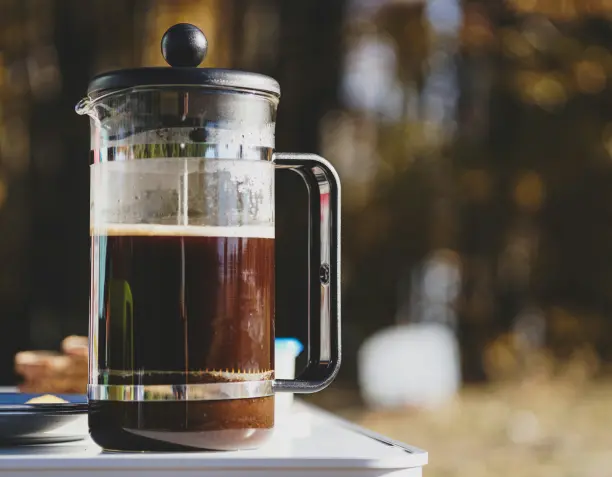
Learn how to make smooth, refreshing cold brew coffee in a French press with this easy step-by-step guide, including the ideal coffee-to-water ratio.
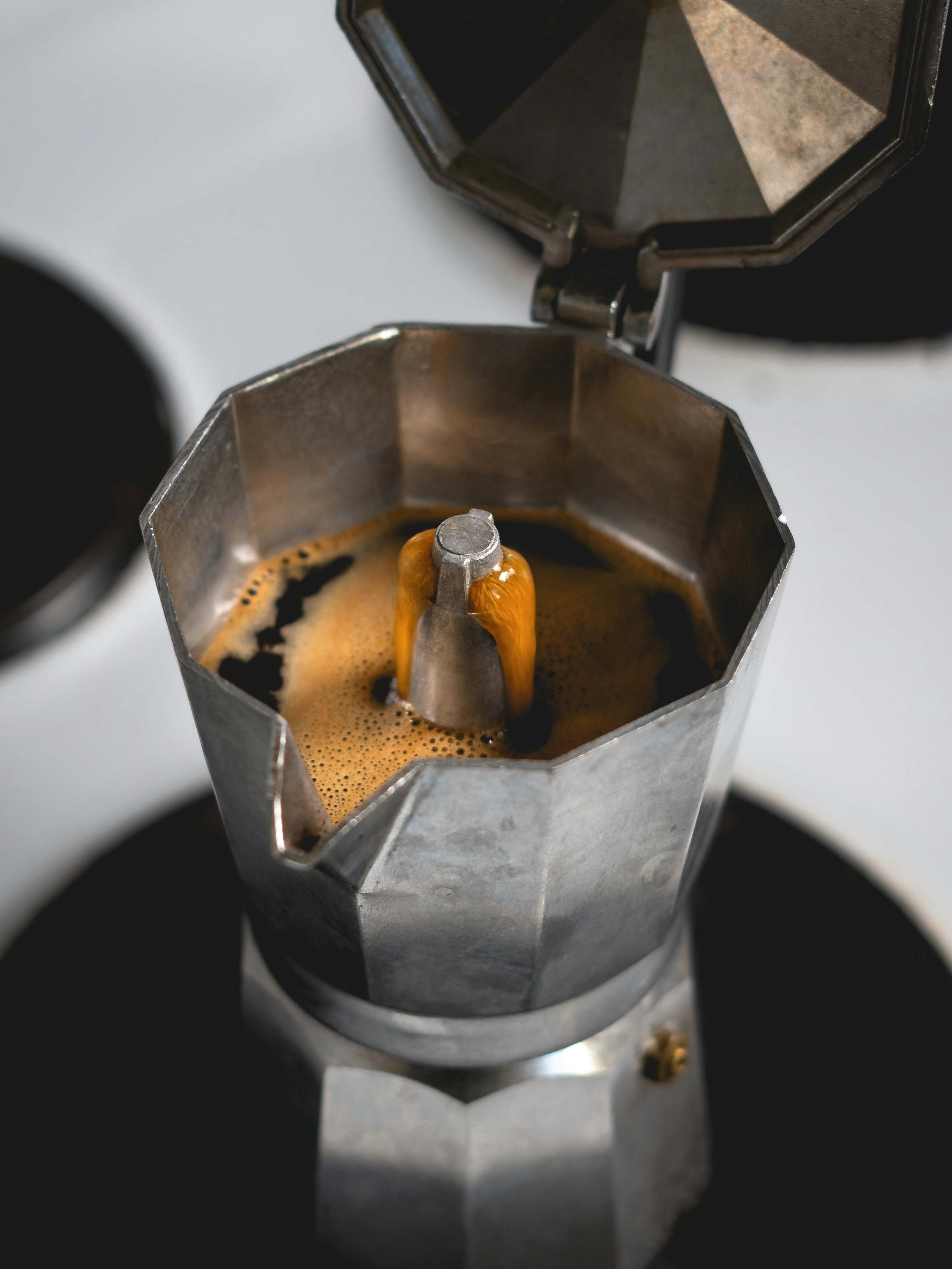
Learn how to make moka pot coffee with the right coffee-to-water ratio, grind size, heat and brewing technique while avoiding excessive bitterness. URL slug:
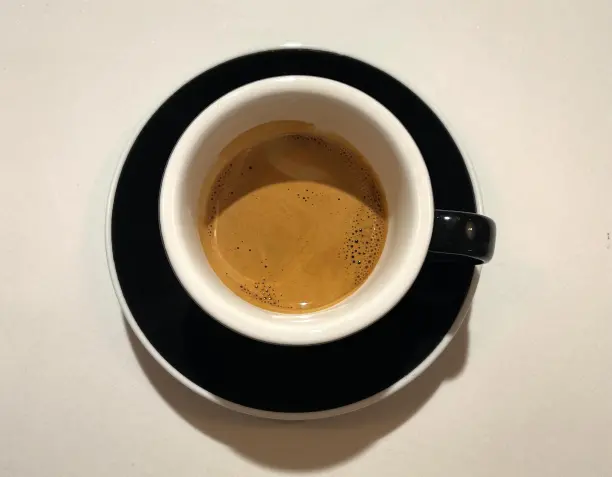
Learn how to make espresso at home, including grind size, ratio, extraction time, temperature, pressure, tamping and recipe adjustments.