
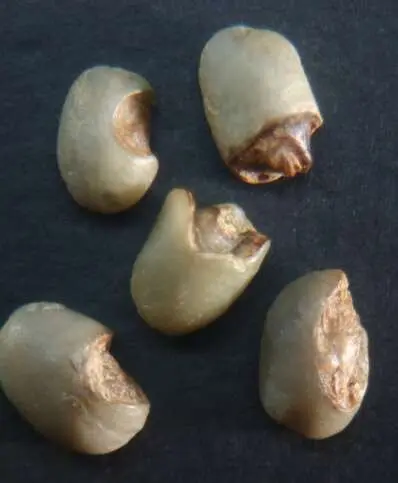
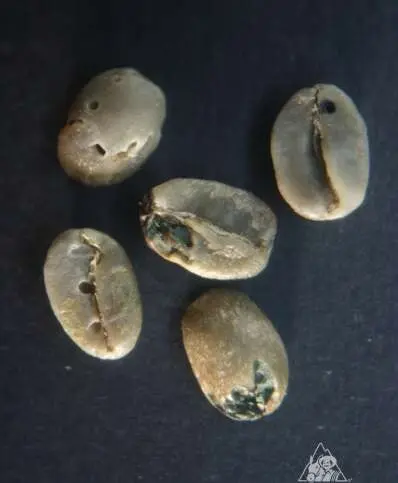
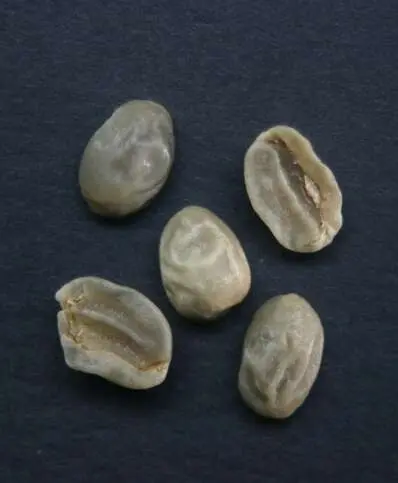
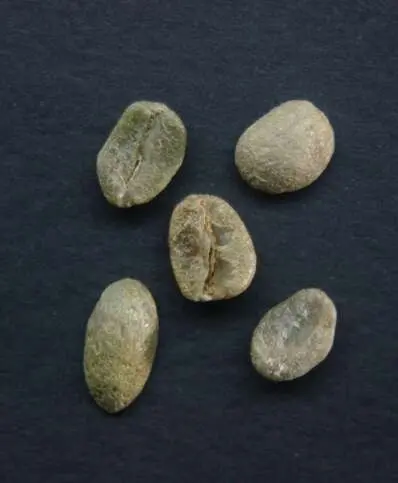
Discover what Peaberry coffee is, how this natural coffee bean mutation develops, and whether it really tastes better than regular coffee.
Previous post
What Is Peaberry Coffee? Flavor, Facts & Common Myths | Blue Faro
Date
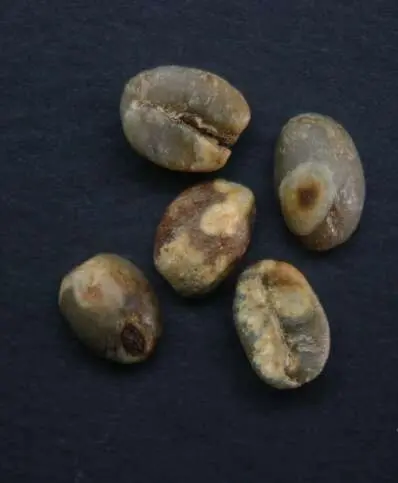
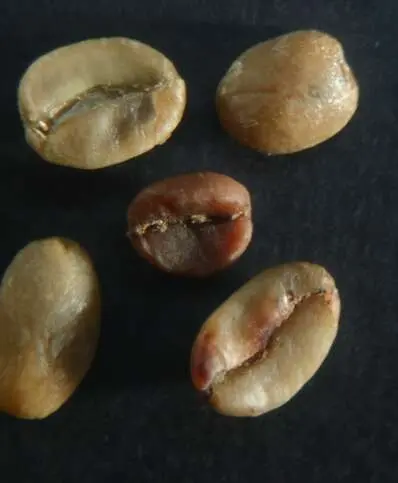
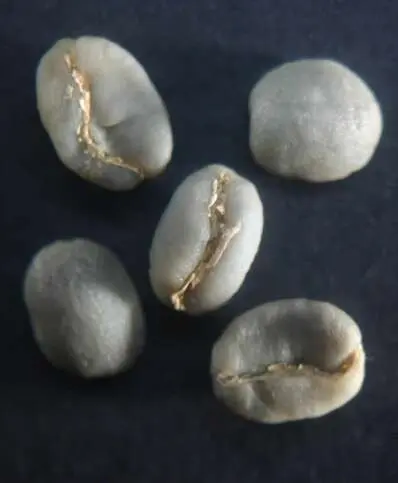
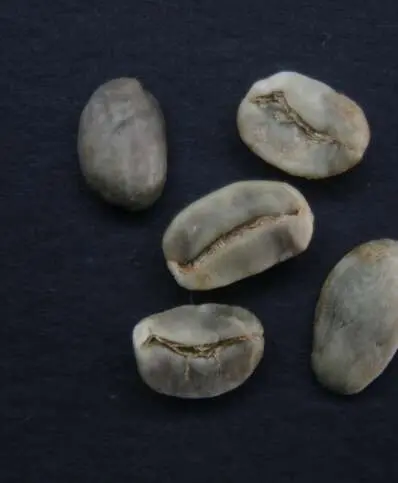
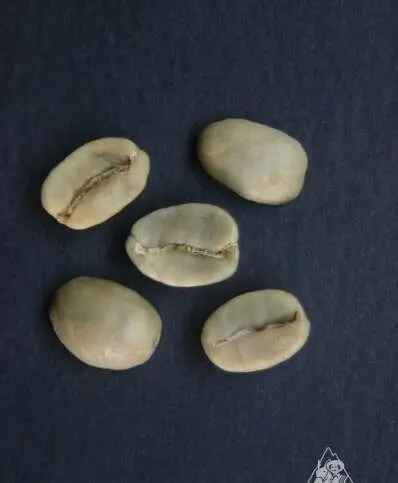
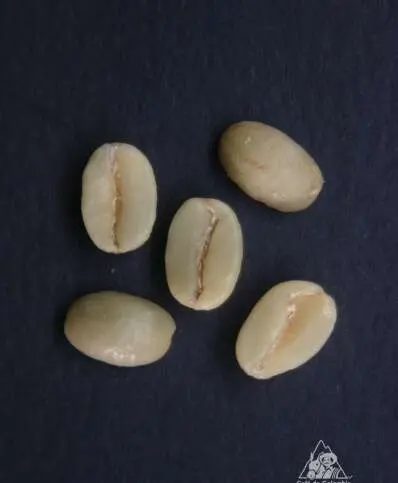
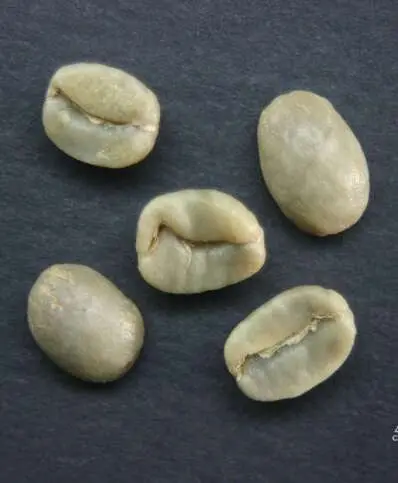
Coffee quality does not depend on a single factor. It is the result of a chain that includes variety, growing environment, cherry maturation, harvesting, processing, drying, storage and green coffee selection.
A fundamental part of quality control is identifying and removing defective beans before they reach the consumer.
But what exactly is a green coffee defect, and why does it matter?
A defect is a physical or sensory abnormality in a coffee bean that can negatively affect coffee quality.
Some defects originate in the plant or during cherry maturation. Others develop during harvesting, pulping, fermentation, drying, storage or transportation.
Not all defects have the same impact. Some mainly affect the appearance or uniformity of a lot, while others can produce clearly undesirable flavors during cupping.
For this reason, evaluating green coffee is an essential part of quality control.
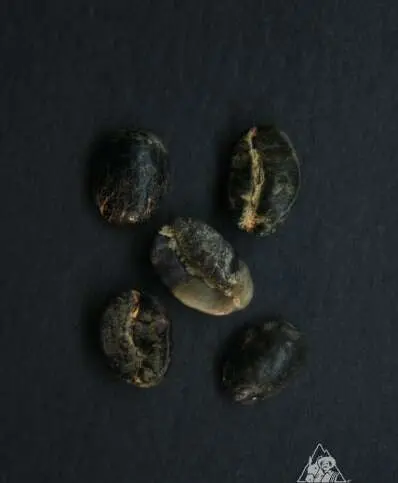
Description:
The bean has a very dark brown or black coloration and may have a shriveled or deformed appearance.
Possible causes:
They may be associated with problems during maturation, overripe cherries, inadequate fermentation, prolonged exposure to moisture or drying problems.
Impact on the cup:
Depending on the nature of the defect, it may contribute unpleasant, fermented, earthy or unusually intense flavors.
Description:
The bean shows signs of mold growth and may display abnormal color and odor.
Possible causes:
Excessive moisture, insufficient drying, inadequate fermentation or unfavorable storage conditions.
Impact on the cup:
Moldy beans can produce moldy, damp, earthy or musty flavors. Mold presence should also be treated as a quality and food-safety concern, not simply as a sensory defect.
Description:
These beans show abnormal coloration and may have changes in structure and appearance around the central crease.
Possible causes:
Delays between harvesting and processing, uncontrolled fermentation or problems related to water and storage.
Impact on the cup:
They can contribute sour, fermented, vinegary or unpleasantly acidic flavors.
Description:
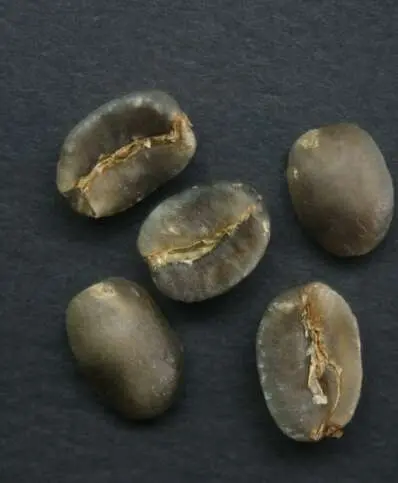
These beans may have a grayish or bluish appearance and an unusually fragile structure.
Possible causes:
Excessive exposure to high temperatures during drying.
Impact during roasting:
Affected beans may react differently to heat and contribute to greater roasting inconsistency.
Description:
These beans show irregular coloration, including greenish, yellowish or whitish areas.
Possible causes:
Uneven drying, unsuitable storage conditions or problems during processing.
Impact on the cup:
They can affect lot uniformity and, depending on the underlying cause, contribute to muted or unbalanced flavors.
Description:
These beans may show color changes ranging from whitish and cream tones to yellow or brown.
Possible causes:
Extended storage or prolonged exposure to temperature, humidity or oxygen.
Impact on the cup:
Coffee may lose some of its character and develop flat, muted or age-related flavors.
Description:
These beans have a yellowish coloration and a characteristic appearance that differs from the rest of the lot.
Possible causes:
They may be associated with nutritional conditions affecting the plant and soil, although the defect should be evaluated in the context of other factors.
Impact on the cup:
Their presence can affect lot uniformity.
Description:
These beans may have yellowish or amber tones and characteristics associated with excessive or uneven moisture loss.
Possible causes:
Overly prolonged drying or exposure to excessive temperatures.
Impact on the cup:
They may behave differently during roasting and contribute to less uniform extraction.
Description:
These beans have visible cuts, fractures or other mechanical damage.
Possible causes:
Mechanical damage during pulping, sorting, transportation or handling.
Impact during roasting:
Damaged beans may react differently to heat and increase roasting variability.
Description:
These beans show small holes or visible perforations.
Possible causes:
Insect attacks, particularly by the coffee berry borer (Hypothenemus hampei).
Impact on the cup:
Damage can affect the bean's structure and, when present in significant quantities, contribute to sensory defects and reduced lot uniformity.
Description:
These are smaller, contracted beans with a noticeably wrinkled surface.
Possible causes:
Water stress, unfavorable growing conditions or nutritional problems during fruit development.
Impact during roasting:
Their smaller size or density may cause them to react differently to heat.
Description:
They often have green or grayish coloration, smaller size and a different structure from beans obtained from fully ripe cherries.
Possible causes:
Harvesting immature cherries or difficulties in achieving adequate selective picking.
Impact on the cup:
Immature beans can contribute vegetal, herbaceous, astringent or underdeveloped flavors and negatively affect extraction uniformity.
Description:
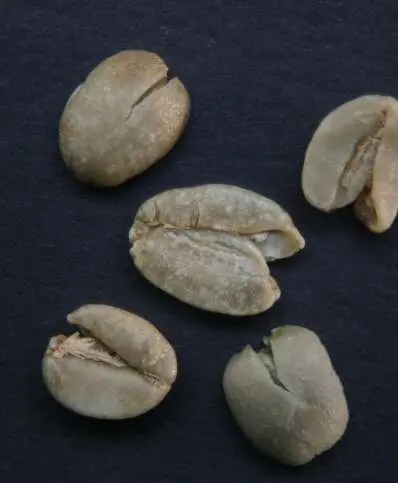
These beans have fractures, crushed areas or partial physical damage.
Possible causes:
Mechanical damage during pulping, drying, transportation or storage.
Impact during roasting:
Damaged areas may react differently to heat and contribute to greater roasting inconsistency.
Description:
These beans may have a darker green coloration and a texture or behavior indicating excessive moisture.
Possible causes:
Incomplete drying or storage in high-humidity environments.
Impact on quality:
Excess moisture increases the risk of deterioration during storage and can promote unwanted microbial activity.
A defect does not necessarily disappear when coffee is roasted.
Heat transforms the physical and chemical characteristics of the bean, but it does not automatically turn defective coffee into high-quality coffee.
Different beans can also respond differently during roasting. A lot containing a high proportion of beans with different sizes, densities or stages of development may be more difficult to roast evenly.
That is why green coffee evaluation is important before a roasting profile is even designed.
Coffee quality is the result of multiple stages.
A good variety grown in a suitable environment can lose part of its potential if cherries are harvested at the wrong stage, processed incorrectly or stored with excessive moisture.
Likewise, well-processed green coffee still needs an appropriate roast and a brewing method capable of expressing its characteristics.
When we talk about coffee quality, therefore, there is rarely a single cause or a single variable to consider. Quality is built throughout the entire coffee chain.
Coffee quality results from the interaction of genetics, terroir, maturation, harvesting, processing, drying, storage and green coffee selection.
Learning to recognize green coffee defects provides a better understanding of what happens before coffee reaches the roaster and why raw-material selection is so important.
For a roaster, evaluating green coffee is not simply about checking its appearance. It also means anticipating how the coffee may behave during roasting and how its characteristics can influence the final cup.
Great coffee starts long before the grinder: it starts with the quality and care of the green bean.
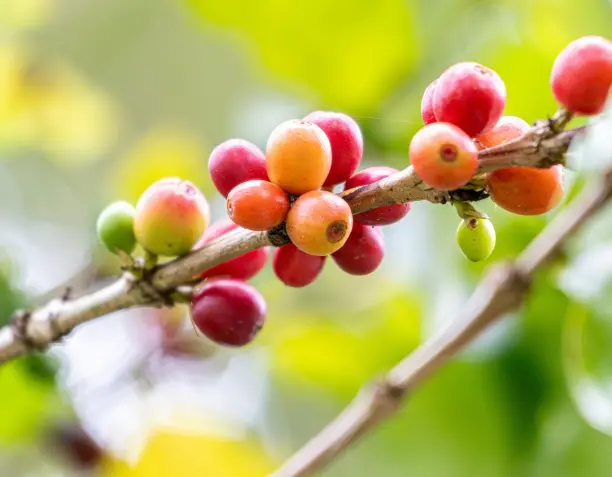
Discover what Peaberry coffee is, how this natural coffee bean mutation develops, and whether it really tastes better than regular coffee.

How does coffee processing change your cup's flavor? Discover the differences between natural, washed, and honey methods with Blue Faro.
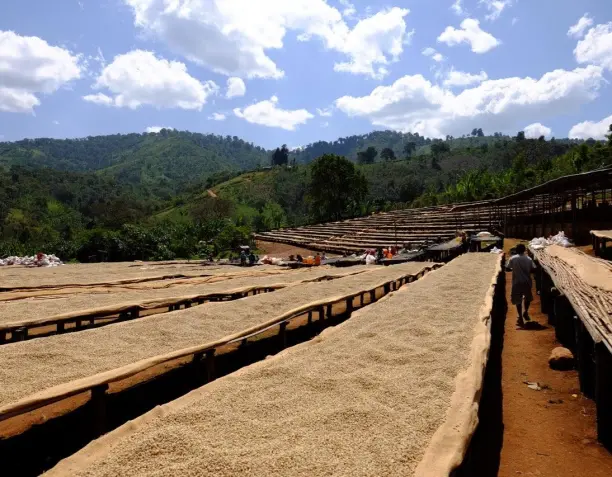
Learn why coffee drying is essential for specialty coffee quality. Discover the main drying methods and how they influence flavor, sweetness, and consistency.