


Learn what uniform coffee extraction means and why it has such a big impact on flavor. Discover how even extraction improves sweetness, clarity, and balance.
Previous post
Coffee Tasting Notes Explained: Why Coffee Tastes Like Fruit or Chocolate

Date
Acidity is one of the most important sensory characteristics of specialty coffee—and also one of the most misunderstood.
Many people describe a coffee as "too acidic" when, in reality, they are referring to a completely different sensation from the bright, vibrant acidity that coffee professionals value.
In specialty coffee, pleasant acidity is a sign of quality. It contributes freshness, sweetness, balance, and complexity to the cup. By contrast, an unpleasantly sour coffee often points to issues during cultivation, processing, roasting, or brewing.
Understanding this distinction is the first step toward appreciating the full sensory potential of specialty coffee.
From a scientific perspective, an acid is a chemical compound with a pH below 7 that produces a sour or bright sensation.
However, in specialty coffee, acidity refers to much more than pH alone. It describes the quality of the sensation and the way that acidity is perceived on the palate.
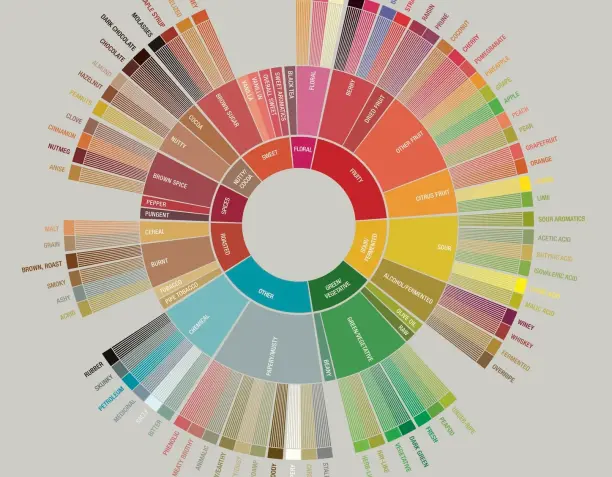
For example, when a tasting note mentions orange-like acidity, it does not mean the coffee tastes like orange juice. Instead, it means the coffee has a bright, juicy acidity similar to the refreshing sensation of eating an orange.
The same principle applies to descriptors such as green apple, lemon, grape, or berries. These are sensory references used to describe how the coffee feels, rather than ingredients that are actually present.
For many people, attending a coffee cupping for the first time can be overwhelming.
Experienced tasters may describe notes of mandarin, red wine, blueberries, flowers, or tropical fruit, while beginners often feel that every coffee simply "tastes like coffee."
This is completely normal.
Sensory evaluation is a skill that develops over time. Coffee cupping is not about imagining flavors—it is about learning to connect the sensations found in coffee with familiar foods and aromas.
As tasting experience grows, recognizing different types of acidity becomes increasingly natural, making coffee tasting both easier and more enjoyable.
Coffee contains hundreds of natural chemical compounds, many of which contribute directly to its flavor profile.
Among them, several organic acids play a particularly important role.
Citric acid is responsible for the bright, refreshing acidity commonly associated with citrus fruits.
In coffee, it is often linked to tasting notes such as:
Many high-altitude African coffees are known for this vibrant style of acidity.
Malic acid takes its name from the Latin word malum, meaning "apple."
It creates a softer, juicier acidity commonly associated with:
Rather than being sharp, malic acidity often gives coffee a fresh and juicy character.
Tartaric acid is naturally abundant in grapes and plays an important role in the flavor of wine.
In coffee, it produces a lively acidity accompanied by slight astringency and increased salivation.
It is often associated with notes of:
Many washed African coffees display this elegant acidity.
Acetic acid is best known as the main component of vinegar.
In small concentrations, however, it can add remarkable complexity to coffee.
Balanced levels of acetic acid may create wine-like or champagne-like characteristics, while excessive amounts usually indicate uncontrolled fermentation during coffee processing and are considered a defect.
Although pH measures acidity, it does not fully explain how acidity is perceived.
Two fruits may have very similar pH values while tasting completely different.
For example:
Both fruits are acidic, yet their sensory profiles are completely different.
The same principle applies to coffee.
Two coffees with similar acidity levels may deliver entirely different tasting experiences because they contain different combinations of organic acids.
Coffee tasting notes describe sensory impressions rather than literal ingredients.
For example:
Learning these sensory references makes coffee tasting notes much easier to understand and helps distinguish between different origins, varieties, and processing methods.
Developing sensory perception is largely a matter of practice.
One of the most effective exercises is tasting different fruits while focusing exclusively on their acidity.
Useful fruits for comparison include:
Comparing different vinegars or wines can also help identify how various organic acids influence flavor.
Over time, your brain naturally begins to associate these sensations with the acidity found in specialty coffee.
Balanced acidity is one of the defining characteristics of exceptional specialty coffee.
When properly developed, it brings freshness, sweetness, elegance, and complexity to every cup.
It should never be confused with unpleasant sourness, which usually indicates a defect somewhere along the coffee production chain.
The next time a tasting note mentions orange, green apple, grape, or berry acidity, you'll know these aren't flavors added to the coffee—they're sensory references that describe how the coffee's natural acids express themselves in the cup.

Learn what uniform coffee extraction means and why it has such a big impact on flavor. Discover how even extraction improves sweetness, clarity, and balance.

Learn what Pu-erh tea is, how it's made, the differences between Sheng and Shu Pu-erh, and why it's one of the world's most unique fermented teas.
Learn why specialty coffee can taste like fruit, chocolate, flowers, or caramel without containing any additives. Discover what coffee descriptors really mean.