


We decode the most popular certifications: Fair Trade, Direct Trade, Rainforest Alliance, Organic, Cup of Excellence, UTZ, etc.
Previous post
Coffee Blends: What They Are, Why Roasters Create Them and How They Work

Date
If you've ever read a specialty coffee tasting note, you've probably seen words like acidity, body, aftertaste, or balance.
These aren't just technical terms—they describe the sensations that make every coffee unique.
Understanding this vocabulary will help you appreciate coffee more deeply and better interpret tasting notes when choosing your next bag of coffee.
Aroma is the first sensory impression of a coffee, even before taking a sip.
Freshly roasted and freshly ground coffee releases hundreds of volatile aromatic compounds that provide clues about what you'll taste.
Common aromas include:
Professional tasters also identify undesirable aromas such as mold, mustiness, excessive fermentation, or rancid notes.
Flavor combines taste and aroma into a single sensory experience.
Because much of what we perceive as flavor comes from retronasal aroma, coffee can display an extraordinary range of tasting notes.
Depending on the origin, variety, processing method, and roast profile, flavors may include chocolate, berries, citrus, tropical fruit, honey, or tea-like characteristics.
In specialty coffee, acidity is considered a positive quality.
Rather than sourness, it refers to the lively, bright sensation that gives coffee freshness and vibrancy.
Acidity may resemble:
Lighter roasts generally preserve more of a coffee's natural acidity than darker roasts.
Body describes the tactile sensation of coffee in the mouth.
It refers to texture rather than flavor intensity.
Coffee may have:
Body is influenced by origin, processing, roast profile, and brewing method.
For example, espresso typically feels fuller than pour-over coffee.
Aftertaste is the collection of flavors and sensations that remain after swallowing.
High-quality coffees usually leave a long, clean, and pleasant finish that continues revealing sweetness and subtle flavor notes.
Balance refers to the harmony between all sensory attributes.
A balanced coffee doesn't necessarily have mild acidity or body—it simply means that no single characteristic overwhelms the others.
Complexity describes the number and diversity of flavor sensations found in a coffee.
Complex coffees often evolve as they cool, revealing new aromas and flavors with every sip.
This layered sensory experience is one of the hallmarks of exceptional specialty coffee.
The best way to develop your palate is through comparison.
Try tasting different coffees side by side while paying attention to:
Over time, identifying these characteristics becomes increasingly intuitive.
Learning coffee tasting terminology allows you to appreciate specialty coffee on a much deeper level.
At Blue Faro, we roast every coffee to highlight its natural character, helping you experience the unique aromas, flavors, and textures that make each origin special.

We decode the most popular certifications: Fair Trade, Direct Trade, Rainforest Alliance, Organic, Cup of Excellence, UTZ, etc.

What is a coffee blend and why do roasters combine different coffees? Learn how blends are created, their advantages and the role of coffee extractivity.
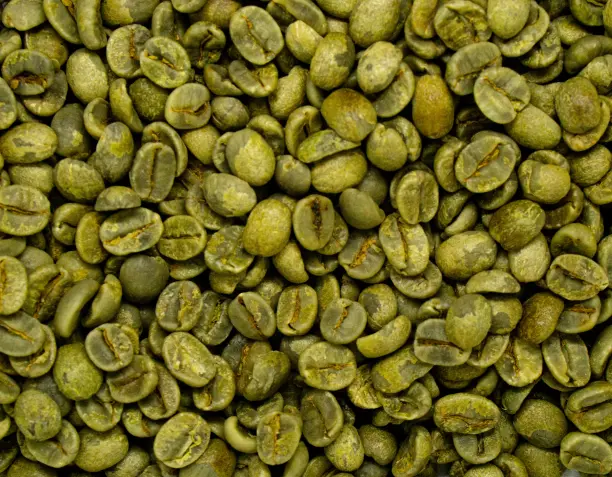
Learn about green coffee beans, from coffee cherry structure and bean size to peaberry, defects, altitude and coffee classification systems.