
Learn how to make smooth, refreshing cold brew coffee in a French press with this easy step-by-step guide, including the ideal coffee-to-water ratio.
Previous post
The ideal water temperature for preparing coffee in a French press
Date
Brewing coffee may seem simple—ground coffee, hot water, and a few minutes of patience. Yet every great cup is the result of a journey that begins long before the coffee reaches your kitchen.
From planting the seed to roasting and brewing, producing a single cup of coffee can take more than 2,000 hours of work.
The good news? You don't need to be a professional barista to enjoy exceptional coffee at home. With the right equipment and a few essential principles, you can dramatically improve every brew.
You don't need an expensive setup to brew excellent coffee, but a few tools make a huge difference.
The most important are:
These tools are especially useful for manual brewing methods such as V60, Chemex, AeroPress, and Kalita Wave.
Brewing coffee is essentially the process of extracting soluble compounds from roasted coffee using hot water.
If the extraction is too short, the coffee will taste sour and underdeveloped.
If it lasts too long, bitterness and dryness begin to dominate.
Key variables include:
Learning how these variables interact will help you brew consistently balanced coffee.
Specialty coffee rewards patience.
Grinding fresh coffee, pouring carefully, and respecting brewing times may only add a few minutes to your morning routine, but they can completely transform your cup.
Brewing coffee can become a daily ritual rather than just another task.
Every brewing method has its own techniques.
Whether you use a V60, Chemex, AeroPress, or French Press, learning recommended recipes will help you understand how each brewer extracts flavor.
Excellent learning resources include:
The more you understand, the easier it becomes to adapt recipes to your own taste.
Baristas spend countless hours dialing in recipes, adjusting grinders, and refining brewing techniques.
Whenever you buy coffee from a specialty café or roastery, ask for brewing recommendations. Most baristas are happy to share recipes and practical tips tailored to the coffee you've purchased.
There is no single perfect recipe.
Every coffee behaves differently depending on its origin, variety, roast profile, and processing method.
Try changing only one variable at a time:
Keeping simple notes will help you discover the recipe that suits your taste best.
Learning to brew coffee is much like learning a musical instrument—it takes patience, curiosity, and practice.
Not every cup will be perfect, but every brew teaches you something new.
At Blue Faro, we believe great coffee starts with carefully selected beans and thoughtful roasting—but the final step happens in your home. With the right techniques, every cup can showcase the full character of the coffee you've chosen.
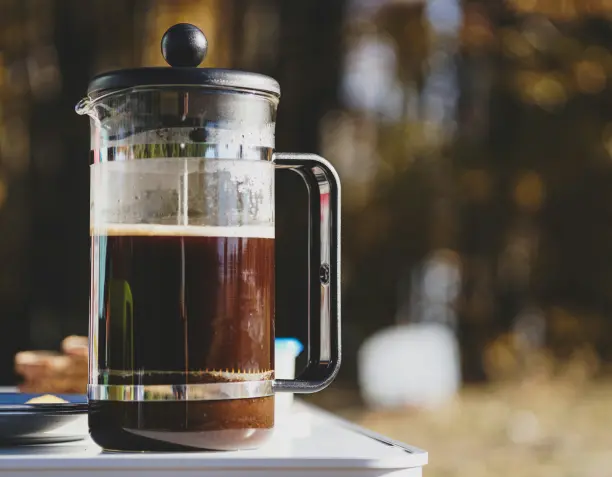
Learn how to make smooth, refreshing cold brew coffee in a French press with this easy step-by-step guide, including the ideal coffee-to-water ratio.
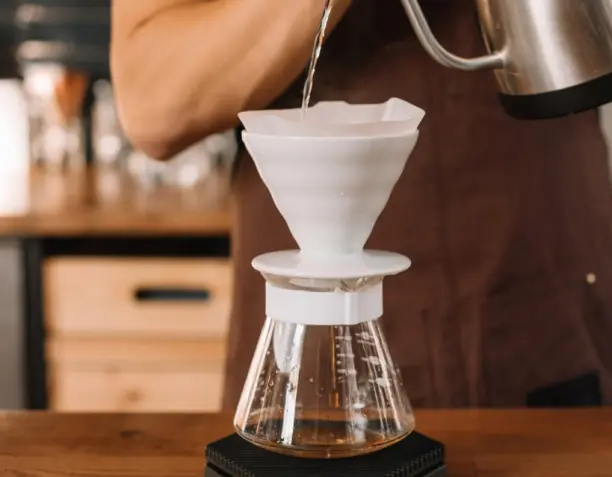
Learn how to brew better pour over coffee by mastering the seven variables that influence extraction, flavor, sweetness, and balance.
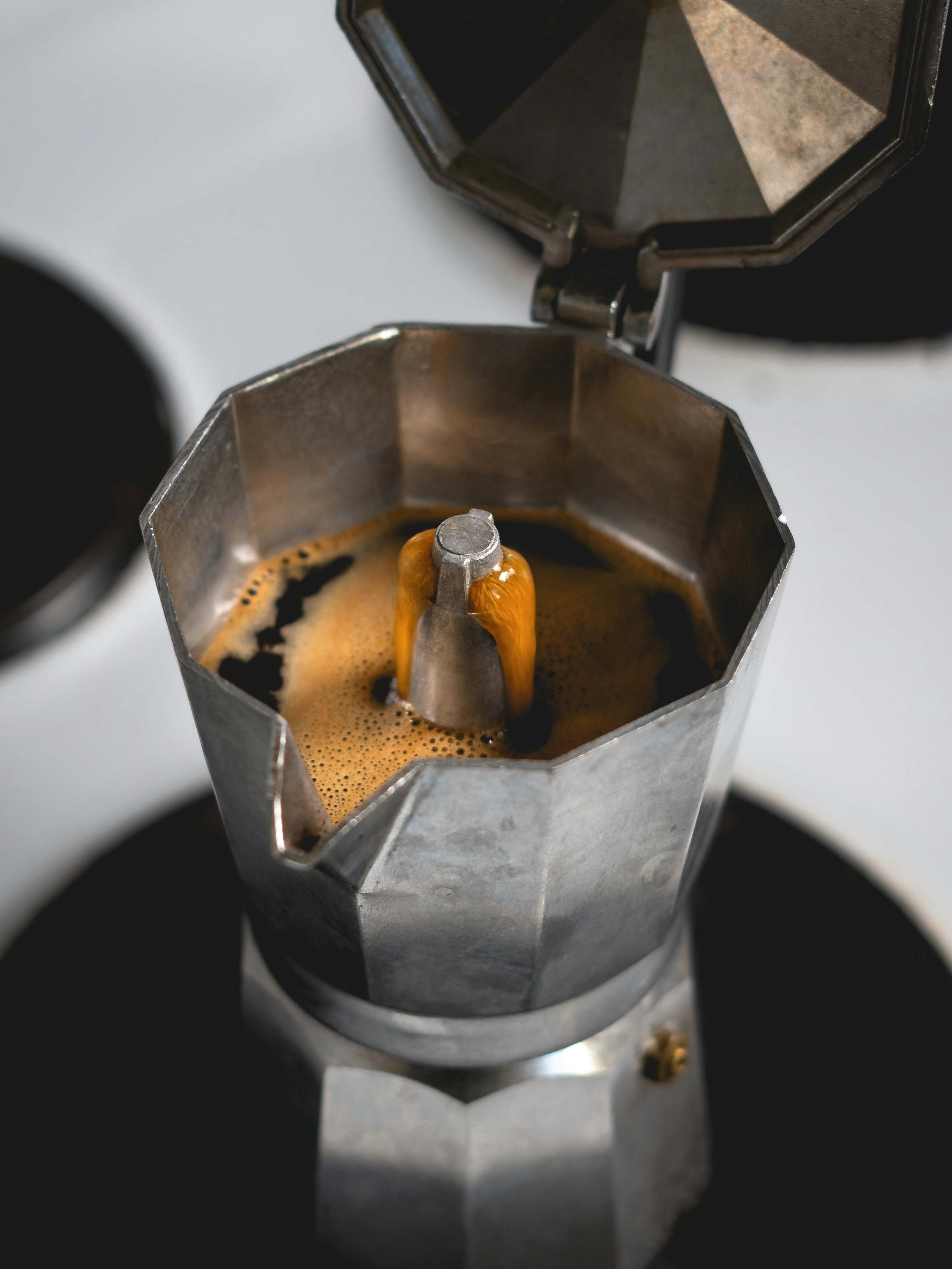
Learn how to make moka pot coffee with the right coffee-to-water ratio, grind size, heat and brewing technique while avoiding excessive bitterness. URL slug: