
Learn how to compare different espresso extraction levels with a simple tasting experiment. Discover how to identify under-extraction, over-extraction and balance.
Previous post
Espresso Dose Explained: How to Choose the Right Coffee Dose
Date
For many years, baristas judged an espresso almost entirely by its appearance. The way it flowed from the portafilter, the color of its crema, and the famous tiger stripes were all considered signs of a perfectly extracted shot.
Today, specialty coffee has changed that perspective. Ironically, many of the best-tasting espressos no longer display the dramatic appearance that was once considered the gold standard.
So what changed? And why does a less spectacular-looking espresso often taste better?
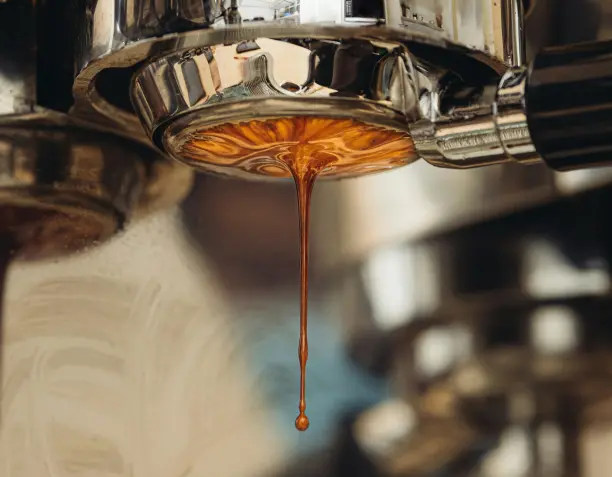
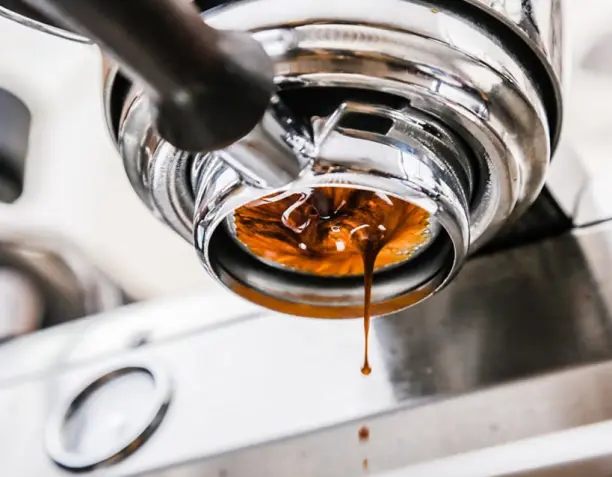
For decades, the ideal espresso was expected to flow in a thick, silky stream from the portafilter.
Early espresso pioneers and barista competitions helped establish this image as the benchmark for quality.
Baristas relied heavily on visual cues, including:
Today we know that appearance alone doesn't necessarily reflect what's happening in the cup.
One of the biggest changes has been the recipe itself.
Years ago, coffee doses were often measured by filling the basket rather than weighing freshly ground coffee.
As fresh grinding became standard practice, doses gradually increased.
Instead of the traditional Italian double espresso using around 14 grams, many cafés adopted recipes using 20 to 22 grams of coffee.
These larger doses required adjustments in other brewing variables, particularly roast development.
The explanation lies in the physics of water.
Water has two important properties:
At the beginning of an espresso extraction, the liquid contains a very high concentration of dissolved solids.
This creates a thick, stable stream.
As extraction continues, the concentration decreases, allowing the water to adhere more strongly to the portafilter.
As a result, the streams begin to curve inward.
With today's longer recipes and higher beverage yields, this transition happens much earlier than it did with traditional espresso recipes.
For many years, baristas stopped the extraction as soon as the stream began to blond.
Visually, it looked like the perfect moment.
Today we understand that this often resulted in under-extracted espresso.
Modern recipes intentionally extend the extraction to achieve:
Although today's espresso may appear less dramatic, it often delivers a richer sensory experience.
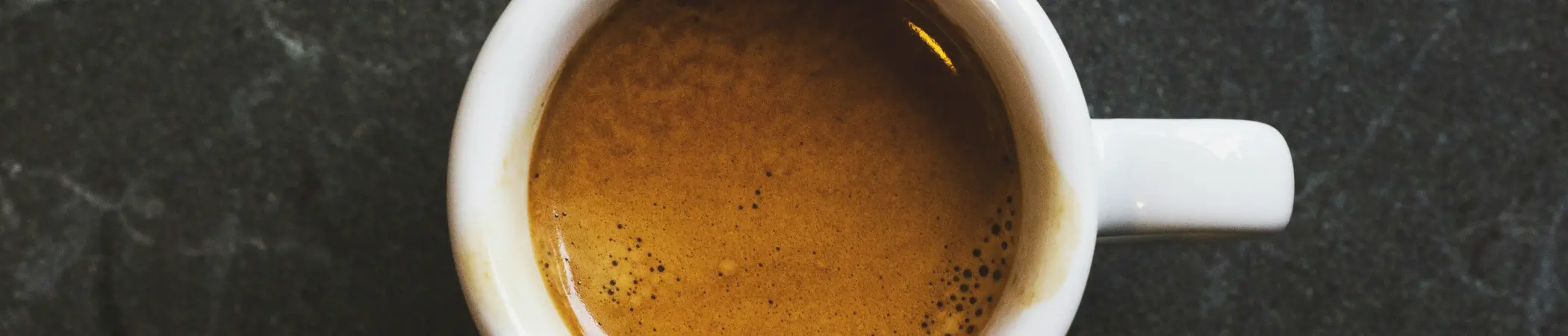
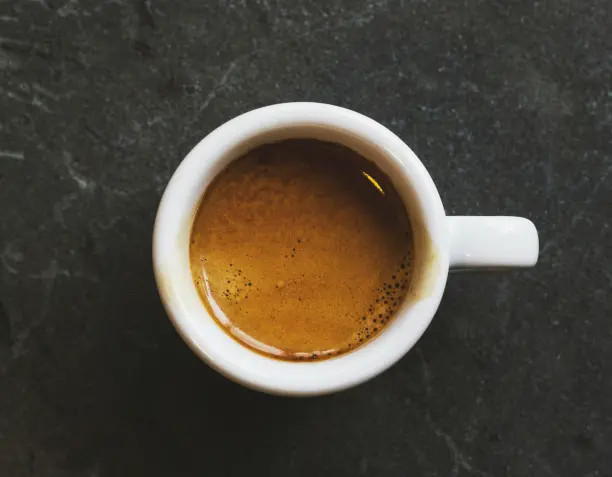
Crema is perhaps espresso's most recognizable feature.
However, crema alone does not determine quality.
In fact, many professionals agree that crema by itself tastes quite bitter and does not represent the true flavor of the espresso.
What really matters is how it integrates with the entire cup.
The color of crema depends primarily on the roast level.
During roasting, compounds called melanoidins are formed, giving coffee its characteristic brown color.
As a result:
Dark-roasted beans are also more porous and release more carbon dioxide during extraction, producing thicker and more persistent crema.
Traditional espresso blends often contained a percentage of Coffea canephora (Robusta).
Besides increasing caffeine and body, robusta contributes to a crema that is:
Because robusta contains fewer lipids than arabica, the foam remains stable for longer.
This is one of the reasons why classic Italian espresso is famous for its abundant crema.
Tiger stripes are the dark streaks that sometimes appear across the surface of espresso crema.
For many years they were considered a hallmark of excellent espresso.
In reality, these stripes form when extremely fine coffee particles rise into the crema and are pushed across the surface by the flowing espresso.
Their appearance depends on several factors:
Darker roasts generally produce tiger stripes more easily because they create more fines during grinding.
There is no single answer.
Traditional espresso was known for:
Modern specialty espresso focuses instead on:
In many cases, a visually modest espresso can provide a far more complex and enjoyable cup.
The evolution of espresso shows that appearance and quality are not always the same thing. For decades, baristas relied on visual indicators such as thick crema, beautiful flow, and tiger stripes to judge a shot. Today, these elements are still fascinating to observe, but they are no longer the ultimate goal.
Modern espresso recipes prioritize sweetness, balance, and the unique characteristics of each coffee origin. While today's espresso may not always look as dramatic as the classics, it often delivers a far richer and more expressive tasting experience. Ultimately, the best espresso isn't necessarily the most beautiful—it's the one that best reveals the coffee's true potential.
Learn how to compare different espresso extraction levels with a simple tasting experiment. Discover how to identify under-extraction, over-extraction and balance.
Learn why coffee distribution matters before tamping, how WDT works, and how better puck preparation can help reduce channeling and improve espresso consistency.
Learn how to make the perfect espresso with this professional step-by-step guide. Discover the ideal grind size, extraction time, tamping technique and barista tips for better coffee.