


Learn about the main green coffee defects, their causes and how they can affect roasting, extraction and the flavor of the final cup.
Previous post
High Altitude Coffee: Is Higher Actually Better?
Date
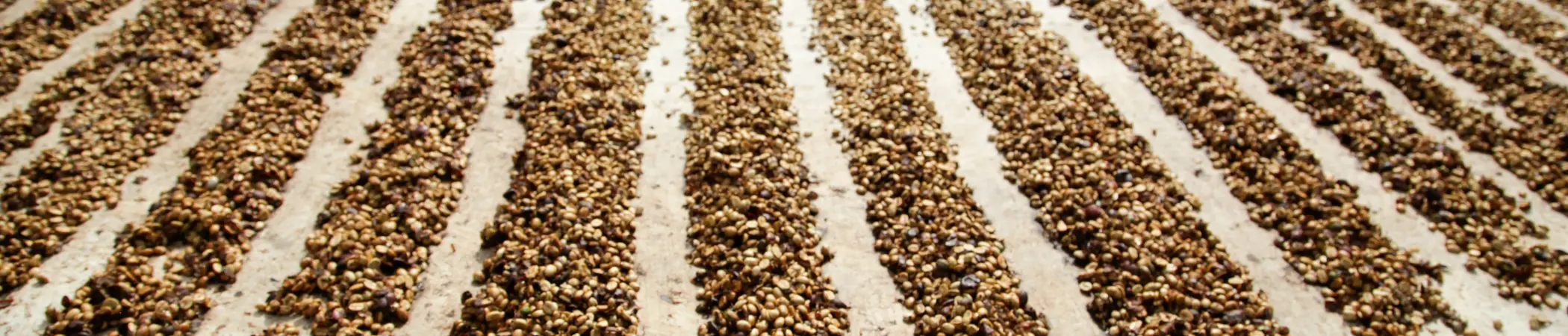
One of the most distinctive characteristics of natural process coffee is its flavor profile. It typically offers a fuller body, a sweeter cup, and pronounced fruity notes reminiscent of berries, tropical fruit, or jam.
The common explanation seems obvious: because the coffee bean remains inside the sweet, sugar-rich coffee cherry for several weeks, many people assume those sugars are absorbed directly into the bean.
But the science tells a much more interesting story.
The primary sugar found in green coffee beans is sucrose, which accounts for approximately 5–9% of the bean's weight and represents more than 90% of all sugars present.
The amount of sucrose depends mainly on factors such as:
—not on the processing method itself.
However, scientific studies have shown that naturally processed coffees retain slightly higher levels of glucose and fructose than washed coffees, while honey processed coffees generally fall somewhere in between.
The difference is not because the natural process adds large amounts of sugar to the bean. Instead, the washed process reduces some of these sugars during processing.
At first glance, it seems reasonable to assume that the bean absorbs sugars from the surrounding fruit while drying.
But if that were true, the same transfer would happen while the cherry is still attached to the coffee tree.
Research shows that only negligible amounts of sugar move from the fruit into the bean, far too little to explain the significant flavor differences between natural and washed coffees.
Furthermore, most sugars are broken down during roasting, meaning they do not survive intact into the final cup.
The explanation lies in the biology of the coffee seed.
During washed processing, once the fruit pulp is removed, the coffee seed begins preparing for germination.
To fuel this process, it consumes its stored energy reserves, especially simple sugars such as glucose and fructose.
For many years researchers believed these sugars were simply dissolved into the fermentation water.
Later studies showed that similar changes also occur in processing methods with very little water, proving that water itself is not the main cause.
Instead, the seed's own metabolism is responsible.
In simple terms:
As a result, washed coffees finish processing with lower concentrations of certain sugars and amino acids.
Coffee seeds are unusual because they always remain capable of germinating.
As long as they stay inside the coffee cherry, compounds within the fruit help suppress germination and keep the seed's metabolism stable.
During natural processing, the entire cherry dries before germination can begin.
Once fully dried, the seed's metabolism effectively stops, preserving much of its original sugar content.
In washed processing, however, removing the fruit early alters this balance and allows the seed to begin its metabolic preparation for germination.
This is where fermentation plays its most important role.
During natural processing, yeasts and bacteria act on the sugars and other compounds found in the coffee cherry.
As they ferment the fruit, they produce numerous aromatic compounds, particularly esters, which are largely responsible for the floral and fruity aromas found in naturally processed coffees.
These compounds:
This explains why natural coffees often display aromas reminiscent of ripe berries, tropical fruits, wine, or flowers.
Although most sugars are destroyed during roasting, they participate in important chemical reactions.
During caramelization and other roasting reactions, hundreds of new aromatic compounds are created, including various furans, which contribute flavors associated with:
In addition, some esters produced during fermentation enhance our perception of sweetness, even though they contain no sugar themselves.
In other words, certain aromas naturally make our brain perceive the coffee as sweeter.
The combination of greater aromatic complexity, fruity esters, and roasting compounds explains why natural process coffee often tastes noticeably sweeter than washed coffee.
Each processing method creates its own unique sensory profile.
None of these methods is objectively better than the others. Each offers a different expression of the coffee, allowing producers, roasters, and coffee lovers to explore a wide variety of flavor profiles.
Natural process coffee is not sweeter because large amounts of sugar migrate from the fruit into the bean. Scientific research shows that its sweetness comes primarily from two factors: first, the bean retains more of its original sugars because germination does not begin during drying; second, fermentation creates aromatic compounds that survive roasting and enhance our perception of sweetness and fruitiness.
So when you enjoy a naturally processed coffee with notes of berries, honey, or tropical fruit, you are not tasting the fruit's sugar itself. Instead, you are experiencing the remarkable combination of biology, fermentation, and roasting that makes every cup of specialty coffee unique.
Learn about the main green coffee defects, their causes and how they can affect roasting, extraction and the flavor of the final cup.
Discover what Peaberry coffee is, how this natural coffee bean mutation develops, and whether it really tastes better than regular coffee.

How does coffee processing change your cup's flavor? Discover the differences between natural, washed, and honey methods with Blue Faro.